
Mikel Arteta explains why Arsenal were so bad in 2nd half v Slavia Prague
Story updated
The story in brief
6-second readMikel Arteta has taken responsibility for Arsenal’s second-half decline at Slavia Prague, while keeping some of the reasons behind it to himself.
From the source
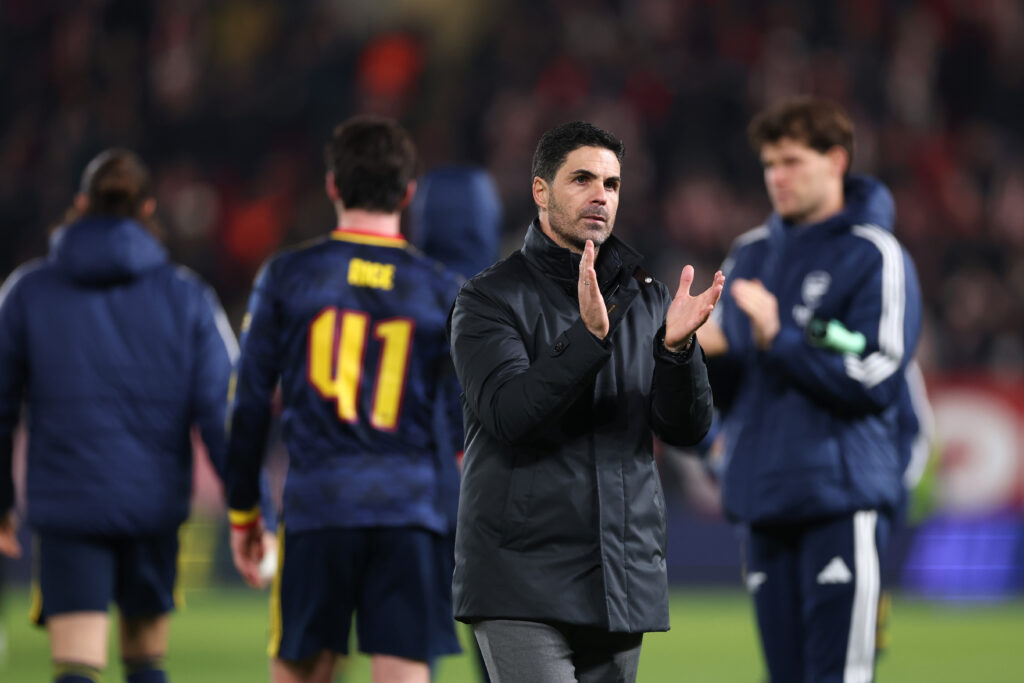
Mikel Arteta has explained Arsenal’s second-half drop-off against Slavia Prague, admitting his side lost their structure and repeatedly gave the ball away as they held on for a 2-1 Champions League win.
Arsenal had been in control before the break, but the game changed after half-time as Slavia created multiple chances and Arteta’s side fell well below the standards they had set in the opening 45 minutes when they could have been out of sight instead of just two goals up.
The manager said his Arsenal side had been warned to expect a response from the hosts, particularly after failing to turn their first-half superiority into a more comfortable lead.
At a glance
- Reporting status
- Reported
- Original publisher
- Daily Cannon ↗
- Source published
- Clubs covered
- Arsenal, Slavia Prague
Attributed publisher reporting. Kickjolly has not independently confirmed the claim.
Source context
This brief is drawn from Daily Cannon. The original report is linked below for its complete context.
Read original report ↗THE NEXT STORY STARTS HERE
Keep reading
More stories connected to this one. Find your next talking point.

David Raya explains why Arsenal were so bad in 2nd half vs Slavia Prague
Arsenal came away from Prague with three points on Wednesday night, beating Slavia 2-1 to move onto 10 points from their first four Champions League ...
Arsenal Insider
Mikel Arteta shares what he warned Arsenal about at half-time vs Slavia
Arsenal beat Slavia Prague 2-1 on Wednesday night to make it 10 points from their first four Champions League games, but Mikel Arteta was far ...
Arsenal Insider
Arsenal boss Mikel Arteta reveals concerns with Champions League win over Slavia Prague
A real jekyll and hyde performance from the Gunners in PragueMikel Arteta admitted he was "very concerned" by Arsenal's second-half performance against Slavia Prague, despite…
Evening Standard
Why beating Roma is bad news for Carrick and playing cr*p in Prague shows Arteta genius
There’s an eerie omen and spooky similarity that spells trouble for Michael Carrick, while Arsenal playing badly is now ‘genius’ and headline housery has returned.We feel a lot…
Football365
Mikel Arteta praises £55m Arsenal star for ‘complete’ game vs Slavia
Viktor Gyokeres was handed a start in Prague on Wednesday night, and to be fair, he made the most of it. With Kai Havertz rested ...
Arsenal Insider
Mikel Arteta issues stern warning despite Slavia Prague win
Arsenal manager Mikel Arteta admitted his side fell "extremely far from our standards" during their 2-1 victory over Slavia Prague. Despite securing three points in the…
GOALThe stands
0 commentsHave your say. Keep it about football. Guest comments are reviewed before appearing publicly.
Be the first to start the conversation.